

Resources List
Impacts of Proposed Reforms to Military Higher Education
WiSCI/Diane Ryan
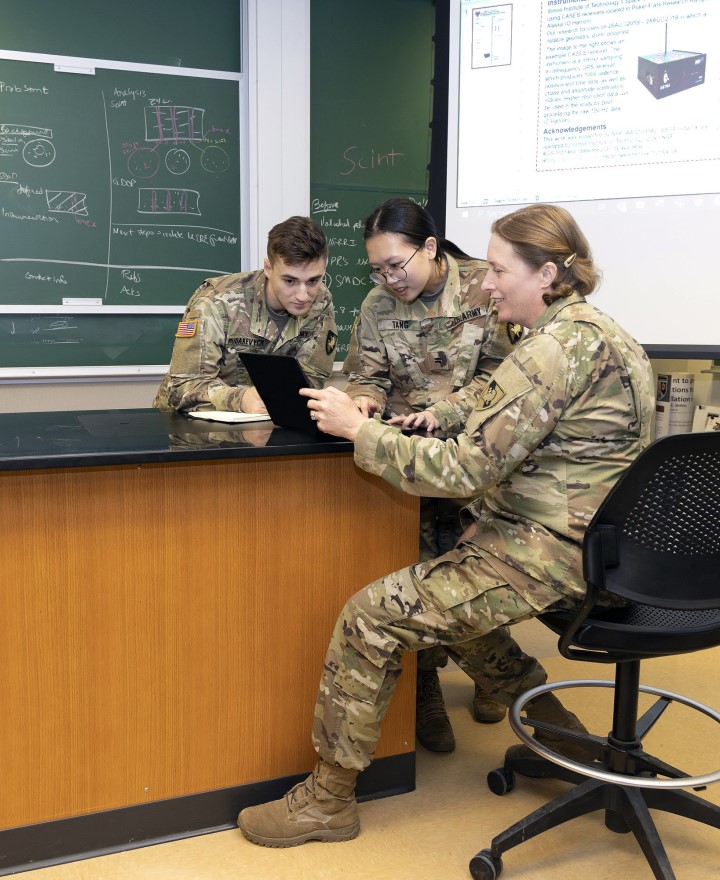
A reported Department of Defense proposal to eliminate civilian faculty tenure and conduct a “line-by-line” review of courses at the military service academies and Senior Service Colleges poses dangerous challenges to the military’s ability to attract, develop, and retain an effective officer corps.


Military Sexual Assault Recommendations Ignored
WiSCI (Fuhr/Williams/Fulton)
Recommendations from the Independent Review Commission on Sexual Assault were accepted by DOD in 2021. However, many are being ignored. This brief - co-authored by two of the members of that Commission - details some of the most important.


Why USSOCOM's 2013 gender integration decision still matters
Courtney Rose/
Georgetown Security Studies Review
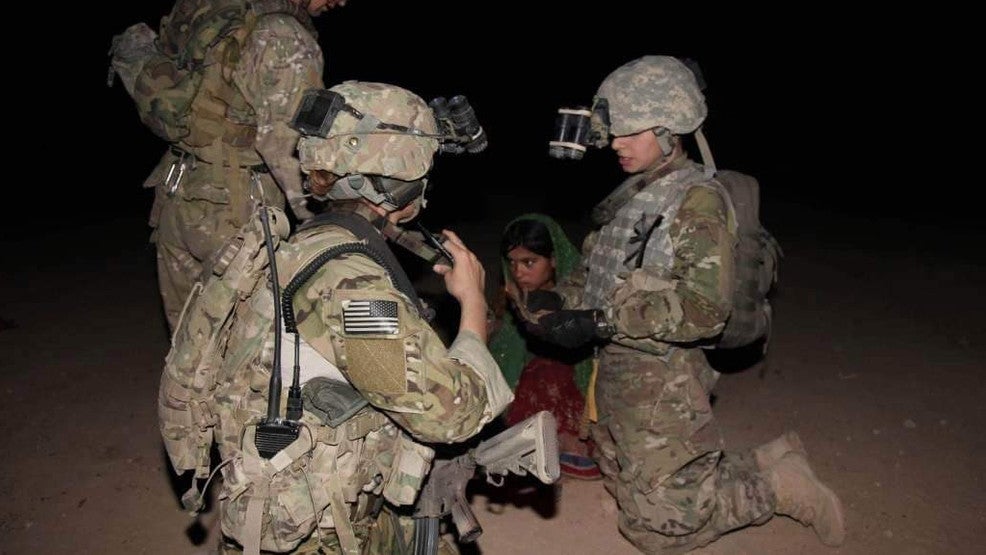
In 2013, the elite United States Special Operations Command (USSOCOM) addressed the combat exclusion rule with evidence, operational experience, and over a decade of implementation data. They determined that decades of rigorous analysis commissioned by the DoD and USSOCOM, as well as their own surveys of senior leaders, provided no compelling analytical justification for exclusion. A decade later, the evidence validates this approach.


An Equal Right to Combat:
Why Banning Women from Ground Combat Positions Would Violate the Equal Protection Clause
Robert Lamb III/Boston College Law Review
Critics argue that gender integration negatively affects physical readiness, unit cohesion, and combat performance. However, research on gender integration within the military suggests that when gender-neutral standards are implemented, there are no disparities between mixed-gender and all-male units in terms of individual physical performance, combat effectiveness, and unit cohesion.


WiSCI White Paper: Protect Women's Opportunities
WiSCI
A summary of WiSCI's position on protecting opportunities for military women to serve on a fair and equitable basis. Women have earned their place in the military by meeting and exceeding standards, and excelling in their roles. Efforts to deny them opportunities will disrupt units and directly affect important missions.


USMC Body Composition Research
Haynie, et al.
An assessment of the U.S. Marine Corps' Body Composition and Military Appearance Program (BCMAP) program. Researchers found that existing standards could drive Marines to adopt unhealthy behaviors, leading to long-term health problems. Communities of color and women are disproportionately affected.

Hard Truths and the Duty to Change: Recommendations from the Independent Review Commission on Sexual Assault in the Military
The Commission
On February 26, 2021, Secretary of Defense Austin established the 90-Day IRC on Sexual Assault in the Military. The Commission was charged with conducting “an independent, impartial assessment” of the military’s current treatment of sexual assault and sexual harassment. In June 2021, the IRC presented Secretary Austin with its report and recommendations addressing four broad areas: accountability, prevention, climate and culture, and support and care of victims.
